A book for consultants and coaches
Consultants and coaches sell judgment and a method, with no license on the wall to separate them from anyone else with a website. A book puts the method in print under your name, and that changes what buyers expect to pay, who calls, and which doors open. Nine authors show how.
Why a book matters more when there is no license
An advisor, attorney or physician starts with a credential the public recognizes. A consultant or coach usually does not. Prospects compare you with dozens of people who describe themselves the same way, and the only real evidence is your thinking. A book is that evidence, at length, under your name. It is also the one marketing asset a corporate buyer will happily pass around a leadership team.
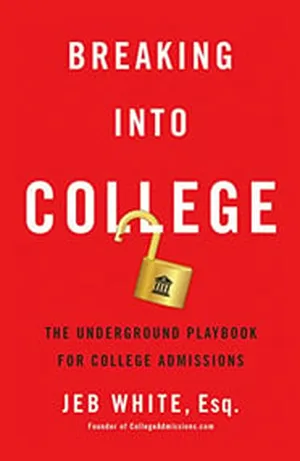
Jeb White saw this from the other side. He was a practicing appellate lawyer helping students with college applications on the side, and nothing in his background signaled admissions expertise. He wrote Breaking Into College partly to give himself that credential, and within a year left law to run the admissions business full time (story).
Name the method before someone else does
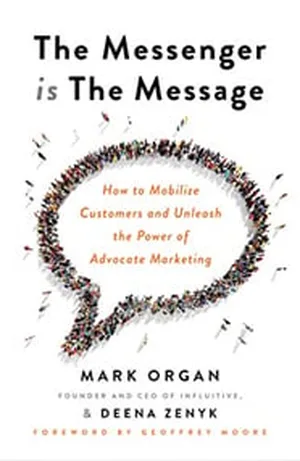
Mark Organ, founder of Influitive, started writing after a book on his field appeared that, in his view, missed the mark. His worry was vocabulary: if people use someone else's terms, "you might end up being defined as opposed to being a definer." He and his co-author wrote The Messenger is the Message, interviewed people at companies like LEGO and OnePlus for it, and found the work sharpened his own framework. The company credits the book with about $400,000 from a couple of new clients, and it now serves as the internal statement of what the company believes (story).
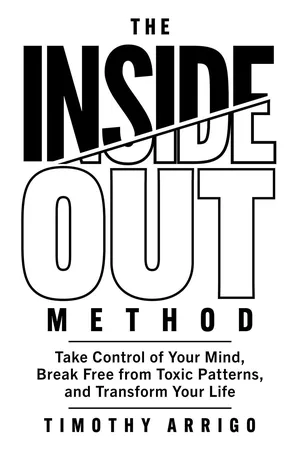
Timothy Arrigo had the opposite problem: his firm, Beyond Driven, had worked with more than 5,000 clients, and new clients told him getting everything at once felt like drinking from a fire hose. The Inside Out Method lays the material out as a sequence with daily practices, so a reader works through it in order (story).
Test for a method book: could a reader apply the first three chapters on their own and get a real result? If yes, the book will earn trust. If the method only works with you in the room, the book should teach the thinking behind it and say plainly where outside help matters.
Change what you charge and how
The most striking consultant and coach results are about pricing power, not lead volume.
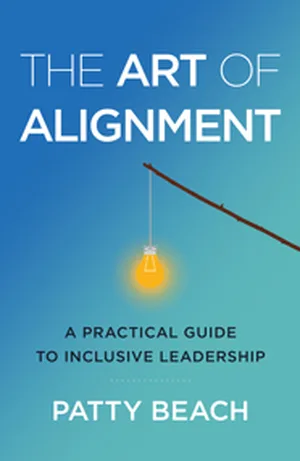
- A higher fee with a waiting list. Patty Beach, a leadership coach, tripled her coaching fee after The Art of Alignment, and her waiting list grew long enough that she hired other coaches to teach her system and filled the first cohort of a nine-month certification program (story).
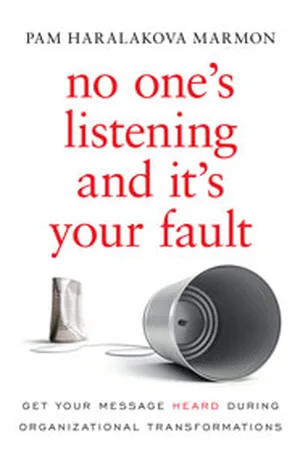
- From hourly to licensed content. Pam Marmon, a change management consultant, charged by the hour before No One's Listening and It's Your Fault. Afterward she moved to licensing her content and charging for deliverables; in her story's words, companies were hiring her book, not just her. Her revenue quadrupled (story).
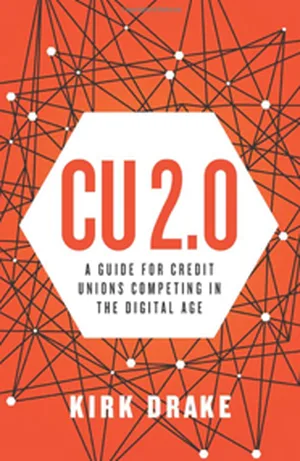
- A niche that becomes a business. Kirk Drake wrote CU 2.0 for credit union leaders. Less than a year after release he had a 13,000-person email list of credit union executives, contracts for fifteen keynotes, more than 5,000 copies sold in that niche, and $50,000 a month in speaking and consulting revenue from the book (story).
Reach the buyer: teams, events and stages
Corporate work rarely starts with a cold call. It starts with an executive who has read something.
- The executive who orders for the team. Teradata's chief marketing officer bought 150 copies of Mark Organ's book for his international marketing team and invited him to speak.
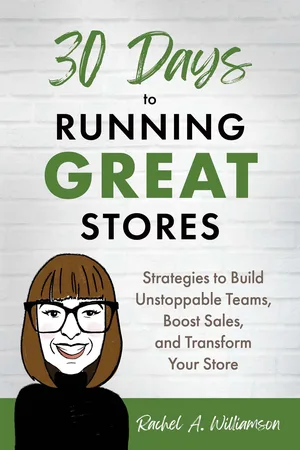
- The host who buys for the room. Rachel A. Williamson, a retail operations consultant, headlined an event where the host had pre-bought a couple hundred copies of 30 Days to Running Great Stores. During the signing, a retail CEO walked to the front of the line, handed her his card and said he needed to hire her; his assistant called two days later (story).
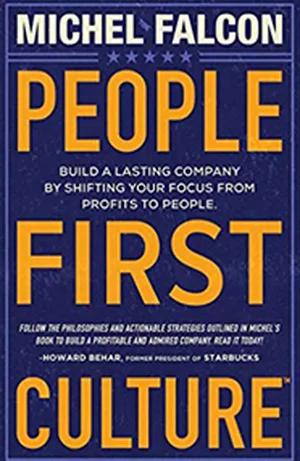
- The organizer who searches a topic. An executive at Planned Companies typed "company culture" into Amazon, found Michel Falcon's People-First Culture, and booked a $15,000 keynote (story).
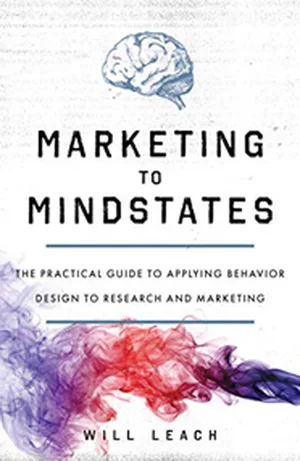
- The article that reaches the right reader. Will Leach kept his book's ideas in circulation with two articles a month. One series put him on a conference stage where a Merck representative was in the audience, which led to a talk and then real work. He made $400,000 from Marketing to Mindstates in its first six months and estimates that the two talks his articles led to generated at least $200,000 in new projects (story).
Build the steps between the book and the engagement
A book costs a reader a few dollars; a consulting engagement costs a company far more. Several authors built steps in between so a reader can go further without jumping straight to the biggest commitment.
| Step | What it does | Author example |
|---|---|---|
| The book | Teaches the method; earns trust | Every author on this page |
| A free implementation guide | Helps buyers apply it, captures direct buyers | Rachel A. Williamson bundles a 25-page guide with direct orders |
| An online course | A paid next step for readers who want structure | Michel Falcon's $3,000 course sits between his book and his keynotes; Jeb White gave the book away as the front door to his course |
| A community or list | Keeps readers close between purchases | Kirk Drake's 13,000-person executive list; Tod Stillson's physician academy |
| Talks and workshops | Puts you in front of a buying group | Kirk Drake's keynotes; Will Leach's conference talks |
| Certification or licensing | Scales the method beyond your own hours | Patty Beach's practitioner program; Pam Marmon's licensing model |
| The engagement | The work itself | Mark Organ's new clients; Rachel A. Williamson's CEO |
These are strong results from individual Scribe authors, not typical ones, and nobody can promise them. Most came with years of expertise and active promotion behind the book.
Client confidences and your contracts
Consultants and coaches are not usually bound by a professional confidentiality rule the way lawyers and clinicians are, but they are often bound by something just as real: their contracts. Before you write a single client example:
- Read your agreements. Many consulting and coaching agreements include confidentiality or non-disclosure terms. Some cover the fact of the engagement itself.
- Ask before you name. A client who agrees to be named, in writing, after reading the passage, is an asset. A client who finds themselves in your book by surprise is a lost client and possibly a dispute.
- Use patterns. "In most turnarounds I have led, the first sign was..." teaches as well as a named case and risks nothing.
- Coaching is personal. Coaching clients share fears, marriages and health. Treat those stories with the care a clinician would, even when no rule requires it.
The time and confidentiality guide has a story-by-story checklist.
A worked plan
Say you are an operations consultant who helps family-owned manufacturers through a generational handoff. Your work comes from bankers, accountants and past clients. The book is the five-stage handoff method you have refined over fifteen years, with each stage taught fully and illustrated with patterns rather than named clients. Bankers and accountants get signed copies to pass along. You offer a free one-page readiness checklist to readers, a half-day workshop for family boards, and the full engagement. Success in year one is not book sales; it is how many first calls start with "I read your book."
Pick the buyer, not just the reader
Who signs the contract? Write so that person can say yes to the method after one chapter.
Name the method
Give its parts names you would be happy to hear repeated in a client's boardroom.
Choose the next steps
Pick one or two rungs from the table above. Do not build all of them at once.
Map distribution
Use the practice worksheet to list referral partners, events and the first meeting. Then read using the book in your client process.
Further reading: the Scribe Method chapters on book objectives and how much to give away.