A book for physicians and dentists
Patients research you before they book, and many are afraid of what they do not understand. A book that explains the condition or procedure in plain words answers those fears before the first visit, gives referring physicians something to hand out, and repeats your advice long after the appointment. Patient stories make it work, and they come with privacy rules.
Why a book suits clinical practice
Two things are true of most patients. They look you up before the first appointment, and they forget much of what you tell them in the exam room. A book helps with both. Before the visit, it lets a patient learn how you think about their problem and decide you are the right person. After the visit, it repeats the advice in a form they can reread and share with their family.
Matthew Ray Scott, who helps surgeons build their reputations, co-wrote Physician Brand Rx with orthopedic surgeon Dr. Scott Sigman around that idea. His advice to doctors is that they "don't need to be louder to stand out"; they need to be clear about the problem they solve (story). A book is about the clearest statement of that a clinician can make.
Health care also runs on professional referrals. A book is something a referring physician, physiotherapist or general dentist can leave in a waiting room or hand to a patient with a one-line recommendation.
How seven clinicians and advisors to clinicians used their books
Patients who finally listened
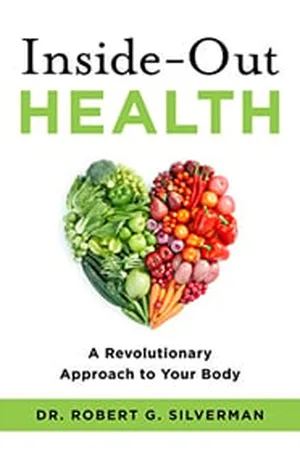
Dr. Robert Silverman, a functional nutritionist in private practice, had a patient who resisted his advice for years. He suggested the patient read Inside-Out Health without saying he wrote it. At the next visit the patient asked why he had never been told these things. Dr. Silverman reports more educated patients, a 20 percent increase in patient intake, a number one ranking on Amazon's bestseller list and an invitation to speak at Talks at Google (story).
Answering the fear that keeps people out of the chair
Dr. Joseph Field, a cosmetic dentist, wrote Creating a Confident Smile because many people who want a smile makeover never book one: they do not know what happens, what the options are, how to choose a dentist, or how discomfort is managed. The book answers those questions for patients rather than practitioners and became an Amazon best seller in three categories (story).
Five years of patients and physician referrals
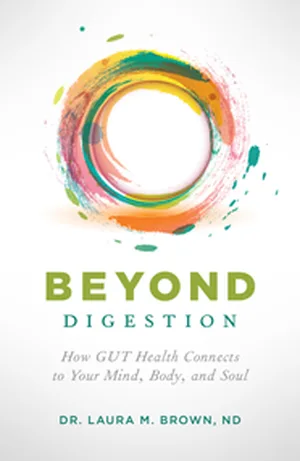
Dr. Laura Brown, a naturopathic doctor near Toronto, built Beyond Digestion around real patient stories with identities removed. She went on gut-health podcasts and shared each episode with her patients. Five years on, readers across her province contact her for help, local health networks invite her to speak, and medical doctors refer patients to her because of the book (story).
Copies in referring physicians' offices
Colin Dombroski, a pedorthist, left copies of The Plantar Fasciitis Plan in physicians' offices and later saw their patients at his clinic. A physician who bought copies for his office invited him to speak to patients, and he keynoted his profession's national symposium. He says handing a patient the book "reinforces all the reasons they came to see me in the first place" (story).
A specialty practice and a media platform
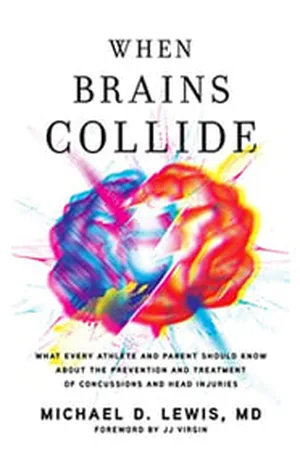
Dr. Michael D. Lewis wrote When Brains Collide about his protocol for traumatic brain injury after nearly five years of false starts. Since publishing he reports a drastic increase in brain injury patients at his practice, about three radio and podcast interviews a week, and more than six major medical conference talks a year (story).
A book for other physicians
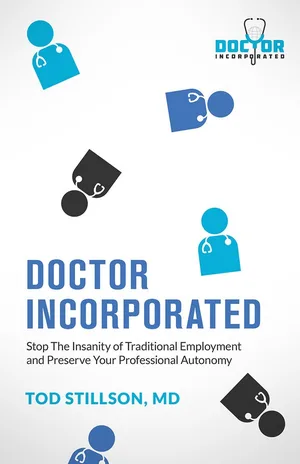
Dr. Tod Stillson, a family physician for 30 years, wrote Doctor Incorporated for doctors who want to own their careers. Readers wanted more, so he started the Physician Entrepreneur Academy, which grew to nearly 6,000 members and became a six-figure coaching business on top of his practice (story).



These are strong results from individual Scribe authors, not typical ones, and nobody can promise them.
Choosing the topic: one condition, one procedure, one question
The clinical books above are narrow. One condition (plantar fasciitis). One procedure (a smile makeover). One mechanism (gut health). One injury and one protocol (traumatic brain injury). Narrow books work because a patient searching for help with their problem finds a book about exactly that problem, and a referring physician knows exactly which patients to give it to.
A useful test: list the questions patients ask in the consultation where they decide whether to go ahead. If the same eight or ten questions come up every week, those are your chapters. Dr. Field's book is built on that list: what happens, what the options are, how to choose a dentist, how discomfort is handled, whether the result is worth it. The topic guide walks through the method.
Keep the book general. A book teaches; it does not diagnose or prescribe for the reader. Tell readers plainly to see their own clinician, and keep claims about outcomes to what the evidence supports. Your state board and professional body may have their own rules on public communications and claims, so check them.
Patient stories and HIPAA
Patient stories are what make a clinical book readable, and they are the part that needs the most care. If your practice is a covered entity under HIPAA (HHS defines covered providers as those who electronically transmit health information in connection with certain standard transactions, such as claims), the Privacy Rule applies to patient information you use in the book.
- Authorization is the default for anything outside care. HHS's summary of the Privacy Rule says a covered entity must obtain the individual's written authorization for any use or disclosure of protected health information that is not for treatment, payment or health care operations or otherwise permitted or required by the rule. A book is not treatment.
- What a valid authorization contains. It must be in plain language and include specific information about what will be used or disclosed, who is disclosing and receiving it, an expiration, and the right to revoke in writing, among other elements. Use your practice's approved form, not a homemade release.
- Treatment cannot depend on it. A covered entity generally may not condition treatment, payment, enrollment or eligibility on a patient signing an authorization. Asking a patient for their story must never feel like a condition of care.
- Marketing has its own rules. The Privacy Rule defines marketing and treats many marketing uses of patient information as needing authorization. If a story or photo will also be used to promote the practice in ads, excerpts or social posts, say so in the authorization.
- State law can be stricter. HHS notes that state laws giving greater privacy protection are not preempted. Check your state's rules too.
Sources: HHS, Summary of the HIPAA Privacy Rule (authorization, marketing, covered entities, preemption); HHS marketing guidance. Checked October 20, 2026.
De-identification: harder than changing a name
The alternative to authorization is de-identification. HHS says there are no restrictions on the use or disclosure of de-identified health information, and describes two ways to get there: a formal determination by a qualified expert, or the safe harbor method of removing specified identifiers of the patient and of their relatives, employers and household members, with no actual knowledge that what remains could identify them.
The safe harbor list is longer than most people expect. It includes names; geographic units smaller than a state, such as city and ZIP code (with a narrow exception); all elements of dates except the year, such as treatment or birth dates; contact details and account numbers; full-face photographs and comparable images; and any other unique identifying number, characteristic or code. That last item is the trap in a book: a rare condition, a distinctive job, a small town and a memorable event can identify a patient with no name attached.
| Story type | Usual route |
|---|---|
| Your own path into medicine or dentistry | Use freely |
| A pattern across many patients ("most people with heel pain I see...") | Describe the pattern, no individual |
| One patient's case, recognizable to them or their family | Written HIPAA-compliant authorization, after they read the passage |
| One patient's case, fully de-identified | Safe harbor or expert determination; have your privacy officer review |
| Before-and-after photos showing the face | Full-face photos are an identifier; authorization |
| A labelled composite or hypothetical | Say clearly it is illustrative; build it so no single patient is recognizable |
Source: HHS guidance on de-identification of protected health information, checked October 20, 2026.
Before you publish: a checklist
Confirm your status and your reviewer
Ask your privacy officer whether the practice is a covered entity and who will review the manuscript.
Tag every patient story
Pattern, de-identified, authorized, or composite. Nothing untagged goes to print.
Collect authorizations before the draft is final
Let each patient read their passage. Keep signed forms with the manuscript records.
Check claims and disclaimers
Say plainly that the book is general information and readers should see their own clinician. Check your board's rules on public statements.
Plan how patients and referrers get it
Use the practice worksheet to map the waiting room, referring offices, talks and new-patient packets. The client process guide covers each stage.
Working with a writing partner? Do not share charts or records. Talk through patterns and invented cases, and agree in writing how recordings and drafts are stored. More in time and confidentiality.
Nothing on this page is legal, medical or compliance advice. It points to HHS's own guidance; your privacy officer and counsel decide what applies to your practice.