How a book wins clients
A book does not sell your services. It does three quieter jobs: it builds trust before the first meeting, it gives the people who refer you something to hand over, and it filters who calls. Here is how each one works, with real authors, and where a book stops helping.
The problem every professional has
A prospect looking for a financial advisor, a lawyer, a surgeon or a consultant has the same handicap: they cannot judge the quality of the work before they buy it, and often not even after. They do not know what a good estate plan looks like or whether a treatment plan is the right one. So they judge what they can see. Does this person understand problems like mine? Do they explain things clearly? Do they seem honest?
Mark Aho, a financial advisor, put the test in three parts: clients weigh trust, competence and whether they like you. In his story he says he has not seen anything that covers all three better than a book, and adds the important caveat that you still have to be trustworthy, competent and likable in real life.
Everything a practice usually does to answer those questions is short: a website, a bio, a thirty-minute consultation. A book is long. A reader spends hours with your thinking, on their own time, with nobody selling to them. That is the whole mechanism. The rest of this page is about where that time pays off.
Job one: trust before the first meeting
The first meeting in most practices is spent on introductions: who you are, how you work, what you believe, why your approach differs. A book moves that conversation to before the meeting. The prospect arrives having already decided they like how you think, and the meeting starts at the real problem.
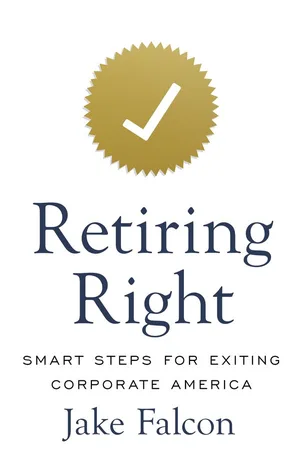
Jake Falcon runs Falcon Wealth Advisors in Kansas City. A prospect on the East Coast found his audiobook on Spotify, which he does not advertise. By the time they met, the prospect already knew his firm and what it stood for, and the two went straight to the deep work of the plan. Jake calls the book a more robust business card and, in his words, "the new website." Read Jake Falcon's story.
The same pattern shows up in very different practices. Harris Nydick's firm reports that prospects sometimes show up to discovery calls having already bought and read Common Financial Sense, treating it as their due diligence on the firm (story). Dr. Laura Brown, a naturopathic doctor near Toronto, says readers arrive already trusting her, having spent, as she puts it, 20 hours with her for $20 before the first appointment (story).
There is a second, less obvious version of this job: trust with people who are already clients. Dr. Robert Silverman recommended his own book to a patient who had resisted his nutrition advice, without saying he wrote it. At the next visit the patient was amazed by advice Dr. Silverman had given him many times in person. Only on the page did it land (story). Sam Marrella, a wealth manager, found that current clients who read his book felt their relationship with him was strengthened (story).
What this means for you: the chapters that do this job are the ones that explain your approach and the reasoning behind it. If a prospect could read only one chapter before meeting you, which one would you want it to be? Write that chapter first and write it best.
Job two: something a referral partner can hand over
Most professional practices live on referrals: from clients, from other professionals, from community connections. The weak point in a referral is what the referrer can say. "She's great, you should call her" is easy to ignore. A book turns the referral into an object: something the referrer can lend, gift or forward, which then does the explaining for them.
- Professional referral partners. Colin Dombroski, a pedorthist, dropped copies of The Plantar Fasciitis Plan in physicians' offices and later had those physicians' patients come to his clinic. A doctor who bought copies for his office invited Colin to speak to his patients (story).
- The person inside the client company. Harris Nydick's firm serves 401(k) and 403(b) plan sponsors. His story describes client relationships that started or deepened because a plan administrator handed the book to her CEO, and the firm gives copies to executives at corporate clients before running education sessions for employees.
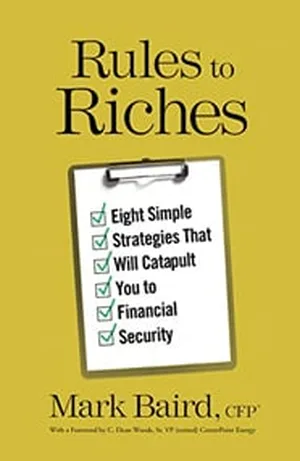
- Talks that feed referrals. Mark Baird, a Certified Financial Planner, went from no speaking to about one talk a month by word of mouth after Rules to Riches. He describes it as a referral chain: you speak, you talk about the book, people refer you to more people. His assets under management doubled since the book (story).
- Networks you do not control. Candler Cook's future CEO read a few sentences about his book in a fraternity alumni newsletter and asked for an introduction, which led to a new job in private debt (story).
Notice that none of these depended on bookstore sales. They depended on the author putting copies into the hands of people who already talk to prospective clients. That is a plan you can write down; the client process guide shows how.
Licensed professionals: some referral arrangements are regulated. Attorneys, for example, generally may not give anything of value for a recommendation under ABA Model Rule 7.2(b), apart from listed exceptions such as nominal gifts. See the attorney guide before you send books to referral sources in bulk.
Job three: a filter for the right clients
The third job is the one professionals underrate. A book states your approach completely. People who disagree with it read a chapter and move on, which saves both of you a meeting. People who agree arrive already sold on the approach, so the conversation is about fit and details, not persuasion.
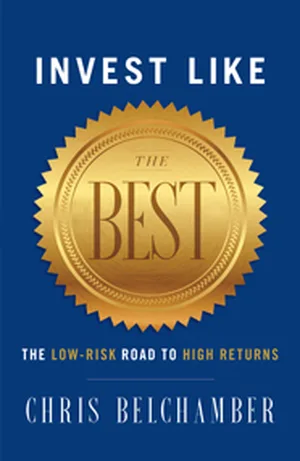
Chris Belchamber, who spent 42 years in finance including at JP Morgan, found his low-risk investment approach was too different to explain in a conversation. In an Author Hour interview he said it "would probably make my life easier if I just wrote it all down," so a prospect could be pointed to the chapter that answers their question instead of hearing the argument again. Five years later he says the book works as a lighthouse, drawing the clients who understand his method (story).
Jake Falcon's firm is selective, signing 50 to 100 new clients a year and turning away people who are not a fit. He hands the book to everyone at a first meeting because he does not want to convince anyone: "That's painful for me and it's painful for them." The book lets the right clients choose him first.
This is also why the Scribe Method advises giving away as much of your knowledge as you can. A book that holds back reads like a sales pitch. A book that teaches everything shows exactly how you think, and the readers who want that thinking applied to their own situation, and can pay for it, come to you. Read the Scribe Method chapter on how much to give away.
What a book does not do
A professional deciding whether to write a book deserves the limits as clearly as the upside.
- It does not replace competence. If the first meeting disappoints, the book made the disappointment worse.
- It rarely pays through royalties. Dr. Laura Brown's advice is blunt: you do not make money writing the book; you make money from the opportunities it brings. Plan for the book to cost money, not earn it, on its own.
- It does not work in a drawer. Every result on this site involved the author putting the book in front of people: at meetings, through partners, on stages, on podcasts.
- It does not override your profession's rules. A book about your services is, in most regulated professions, a communication about your services. Advisors need compliance review; attorneys work under their state's advertising and confidentiality rules; health professionals need patient authorization for identifiable stories.
- It is not fast. A book worth handing a client takes months of your thinking and review. Results arrive over years. Laura Brown's book was still bringing her patients five years after publication.
These are strong results from individual Scribe authors, not typical ones, and nobody can promise them. Each card links to the full story.
A decision rule: is your practice a fit?
A book tends to earn its place in a practice when most of the following are true. Score yourself honestly.
| Question | Strong fit | Weak fit |
|---|---|---|
| How valuable is one new client? | One right client is worth a lot over years (wealth management, ongoing counsel, elective treatment, retained consulting). | Clients are small, one-off and price-shopped. |
| How do clients find you now? | Mostly referrals and reputation. | Mostly paid ads to people who never hear your name again. |
| Do clients ask the same questions? | Yes, you explain the same things in every first meeting. | Every matter is unrelated to the last. |
| Is your approach distinct? | You do something differently and can say why. | You do what everyone in your field does, the same way. |
| Will you put it in people's hands? | You meet prospects, speak, and have referral partners. | You expect the book to sell itself. |
| Can you work within your rules? | You will involve compliance, bar counsel or a privacy officer early. | You want to publish client results and stories freely. |
Say you are an estate planning attorney whose clients come mostly from accountants and past clients, and every consultation starts with the same twenty minutes on why a will alone may not be enough. That is a strong fit on four of six rows. The book's first job is to replace that twenty-minute explanation; its second is to be what accountants hand to their clients; its third is to attract families who want planning done carefully rather than cheaply. The practice worksheet walks you through this for your own practice.
If you score mostly in the weak column, a book may still be worth writing for its own sake, but it is not the client-winning tool this site describes. Say so to yourself before you spend the money.
Sources: Scribe Media author stories linked in each section; Author Hour interview with Chris Belchamber; ABA Model Rule 7.2, checked October 20, 2026.