A book for accountants and CPA firms
Most people pick an accountant on someone else's word, because they cannot judge the work until it is done. A book lets a prospect meet your judgment first, and gives the advisors, attorneys and bankers who refer you something to hand over. Here is how that works for a firm, and which professional conduct rules to check before anything goes to print.
How to get accounting clients who already trust you
A business owner choosing an accountant cannot compare the quality of two firms' work before hiring one. So they judge what they can: who recommended you, whether you understand businesses like theirs, and how clearly you explain things. That is why most firms grow on referrals, and why a website listing services does little to set one firm apart. A book does the three jobs described in how a book wins clients: it builds trust before the first meeting, it gives referral partners something better than a business card to pass along, and it filters the people who call, because a reader who disagrees with your approach usually does not call.
A book cannot make up for slow replies or a missed deadline, and it does nothing sitting in a box. It works when you keep putting it in front of the right people.
Which firms a book suits
A book earns its keep where the client pays for judgment, the engagement lasts for years, and the right client is worth a long conversation. A firm that mostly prepares individual returns at a set price competes on convenience, and a short checklist usually serves it better.
| Kind of firm | Why a book fits | A book it could write |
|---|---|---|
| Advisory and outsourced CFO work | The client buys your thinking about their business, which a book can show in full | How an owner should read their own numbers each month, and what to do about them |
| One industry niche (dental practices, construction, restaurants, nonprofits, agencies) | Owners want an accountant who knows their industry; a book proves it to everyone in that industry at once | The money mistakes that sink practices in that field, and how to avoid them |
| Tax planning for business owners | Planning is advice over many years, sold on trust before any savings appear | How owners should think about entity choice, compensation and the timing of big decisions |
| Transactions and transitions | The client faces one large, rare decision and wants a guide who has seen it many times | Getting a business ready to sell, or passing it to the next generation |
The narrower the reader, the better the book works; Scribe's chapter on figuring out your audience explains why.
Topic ideas from the questions clients ask
Your outline is in the questions prospects ask in a first meeting and clients ask every year. Write them down for a month, then group them, as the topic guide explains.
| A question clients ask | What it could become |
|---|---|
| "Should I be an S corporation?" | A chapter on how to think about entity choice, with the trade-offs laid out, dated to the tax year described |
| "Why do I owe tax when there is no money in the bank?" | A plain explanation of profit versus cash, which many owners have never had |
| "What should I be looking at every month?" | A chapter teaching the three or four numbers that matter in their industry |
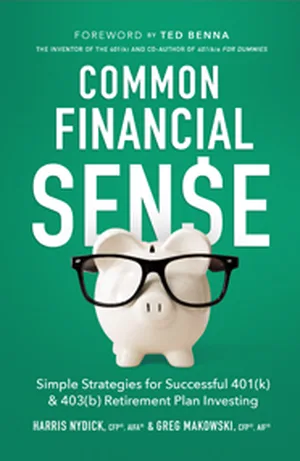
Tax law changes, so build the book around decisions and principles, and date every figure. Harris Nydick, a financial planner, keeps his book current with revised editions that update every number (story). Say in the front matter that the book is general education, not advice to any one reader.
The book and your referral partners
Financial advisors, estate and business attorneys, bankers and business brokers all meet people who need a good accountant, but each can only say so much about you. A book lets them hand over your thinking in your own words.
- Financial advisors. Give each a few signed copies with a note on who the book is for, so the clients they introduce arrive knowing how you work.
- Attorneys. An estate or business attorney who needs an accountant on a matter has a reason to name the one who wrote about it.
- Bankers. A chapter on reading your own statements is a natural thing for a business banker to pass to an owner who cannot.
A talk built on one chapter, co-hosted with a partner for their clients, puts you in a room that already trusts the host.
Harris Nydick traces years of client relationships to one moment: a retirement plan administrator handed his book to her CEO (story). Two conduct points apply, both covered below: how a partner promotes you, and disclosure of any referral fee.
Using the book in proposals and onboarding
The book does its most reliable work after someone has raised a hand.
Before the first meeting
Send the book, or the chapter that fits, when the meeting is booked, so the meeting can be about fit.
In the proposal
Point to the chapters behind the approach you propose. A prospect comparing three firms can read your reasoning in more depth than a fee table allows.
At onboarding
Give every new client a copy with a note on which chapters matter in their first year. An appendix on what you need from them, and when, saves the same explanation every season.
The client process guide covers each step, and the lead magnet examples show how one chapter can bring prospects forward.
What authors in nearby professions did
Scribe's verified success stories do not include an accountant or tax professional, so this page draws on authors in nearby professions: a business consultant, a professional services founder and two financial advisors who serve the same owners and finance leaders accountants do. Read them for method, not as forecasts.
Michael Erath runs Next Level Growth, a business coaching and consulting firm. He mails 75 to 100 copies of Five Obsessions of Elite Organizations a month to targeted prospects, logs each in his CRM, and calls it the firm's best lead magnet. In one discovery meeting, a CFO he had never spoken to already owned the book and had highlighted pages for a direct report (story).
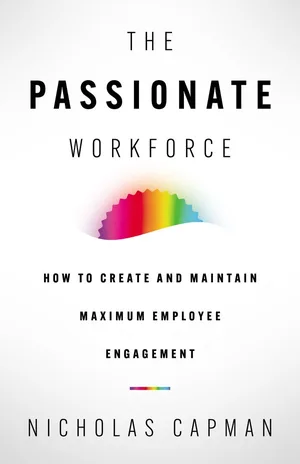
Nicholas Capman, CEO of The FDA Group, sends The Passionate Workforce to every new client. In his words, it gives the firm enough credibility that conversations turn to how it can help rather than whether it is "the real deal" (story).
Jake Falcon, a retirement planner, hands Retiring Right to every person at a first meeting (story), and Harris Nydick's prospects sometimes arrive at discovery calls having read his book as their due diligence.


These are strong results from individual Scribe authors, not typical ones, and nobody can promise them. For what a book can and cannot be expected to do, see Scribe's chapter on realistic and unrealistic expectations.
What to check: the AICPA Code and your state board
For AICPA members in public practice, two sections of the Code of Professional Conduct bear most on a book. Your state board's rules apply whether or not you are a member. This is a list of things to check, not legal advice.
ET 1.600: advertising and solicitation
- The rule (1.600.001). A member in public practice shall not seek clients by advertising or other solicitation that is false, misleading or deceptive. Solicitation by coercion, over-reaching or harassing conduct is prohibited.
- What counts as misleading (1.600.010). Promotion is misleading if it creates unjustified expectations of favorable results, implies an ability to influence a court, regulatory agency or official, quotes a fee likely to rise substantially without saying so, or would otherwise mislead a reasonable person. For a book: no promised savings, no hint of special pull with the IRS or a state agency, and no undated fee figures.
- What partners say about you (1.600.010). When you serve a third party's clients, you should determine that the third party's promotion complies, because members must not do through others what they cannot do themselves. If a partner hands out your book with a pitch, read the pitch.
- Designations and the CPA title (1.600.030 and 1.600.100). A firm may use an AICPA-awarded designation such as PFS in marketing only if all its partners hold it. Use of the CPA credential follows state accountancy law; breaking it in any state where you practice counts as misleading under the Code. Check the cover, bio and firm name.
ET 1.700: confidential client information
- The rule (1.700.001). A member in public practice shall not disclose any confidential client information without the specific consent of the client.
- What is confidential (0.400.11). Any information obtained from the client that is not available to the public, such as in publications, public filings or speeches. The Code warns that other laws may be stricter.
- Teaching from experience (1.700.060). You may market using knowledge from prior client work, such as common practices in an industry. If the information may be identifiable to a client, specific consent, preferably in writing, is required. In a niche practice, one small detail can identify a client.
- Your writing partner (1.700.040). Sharing client information with a service provider needs a confidentiality agreement with reasonable assurance of safeguards, or the client's specific consent. Simpler: share no client files with anyone helping you write, and talk through patterns instead, as the time and confidentiality guide describes.
Source: AICPA Code of Professional Conduct (updated for official releases through September 2026), sections 0.400.11, 1.600.001 to 1.600.100 and 1.700.001 to 1.700.060. Checked October 21, 2026.
Referral fees (1.520)
A member who accepts a referral fee for recommending a CPA's services, or pays one to obtain a client, shall disclose it to the client. A signed book given as thanks differs from a paid arrangement, but if money moves either way with a partner, plan the disclosure.
Source: AICPA Code of Professional Conduct, section 1.520.001. Checked October 21, 2026.
Tax return information
If you prepare returns, Section 7216 of the Internal Revenue Code makes it a misdemeanor for a preparer to knowingly or recklessly disclose return information, or use it for any purpose other than preparing returns, unless an exception applies. Treat anything from a client's return as off limits for the book unless your counsel says otherwise.
Sources: 26 U.S.C. 7216; IRS Section 7216 information center. Checked October 21, 2026.
Your state board comes first
Each state and territory licenses CPAs through its own board of accountancy, with rules that can cover advertising, firm names and use of the CPA title, and that may differ from the AICPA Code. Before publication, read your board's rules on advertising and confidentiality, check every state where you are licensed or practice, and ask the board what its rules leave unclear.
Source: NASBA directory of state boards of accountancy, checked October 21, 2026.
Worked example and checklist
Say your small firm does tax planning and advisory work for dental practices, and most new clients come from two financial advisors and a practice broker. You write a book for dentists who own their practice: reading the monthly numbers, owner pay and entity choice, the years before a sale. Every tax figure names its year. Every story is about you, a pattern across many practices, or a labelled invention, and nothing comes from a return. The advisors and broker get signed copies, one advisor co-hosts a talk on selling a practice, and new clients get the book at onboarding.
Name the clients you want more of
One industry or one decision. Write for them.
Collect a month of client questions
The recurring ones become chapters.
Sort every story by risk
Anything that could identify a client needs specific written consent or a rewrite. Nothing from a return.
Check claims, fees and titles
Against ET 1.600 and your state board's rules, including the cover copy and bio.
Plan where the book goes
Use the practice worksheet to map referral partners, first meetings, proposals and onboarding.
Nothing on this page is legal, ethics or tax advice. It points to the AICPA Code and federal law as starting places; your state board's rules and your own advisors decide what applies to you.