Dental marketing ideas that earn trust
Most new patients choose a dentist because someone they trust sent them, and then they check you online. Here are 26 practical ideas for a practice owner, grouped by where patients come from, with the rules on reviews, referrals and patient stories checked against the primary sources, and a patient book to anchor the rest.
Where to start
Pick by where your best patients already come from, then add one group at a time.
| If most of your best patients come from | Start with | Then add |
|---|---|---|
| Other patients | Patient referrals (1 to 5) | Reviews (15 to 18) |
| Other dentists or physicians | Referring relationships (6 to 10) | A patient guide for their waiting rooms (24 to 26) |
| Search and your website | Patient education pages (19 to 23) | Reviews (15 to 18) |
| Your town, school district or employers | Talks (11 to 14) | A handout or chapter to leave behind (21, 26) |
Two rules apply to every idea. Anything that uses a patient's story, photo or name needs the privacy steps in the physician and dentist guide, which covers HIPAA authorization and de-identification in full. And anything you publish must meet your state dental board's advertising rules and, if you are a member, section 5.F of the ADA Code, which says no dentist shall advertise in a way that is false or misleading in any material respect.
Patient referrals
1. Ask when the patient is pleased
The best moment is right after a result the patient can see or feel: the crown that fits, the child who left without tears. One sentence is enough: "If you know anyone who has been putting off a visit, we would be glad to see them."
2. Give them something to pass on
A card gets lost. A short guide to what a first visit involves, or a chapter of your book, gets handed to a nervous friend. The lead magnet examples show how practices choose and deliver one.
3. Make a page for the friend
One page on your website for people sent by a patient: what happens at the first visit, how you handle nervous patients, what to bring, how to book.
4. Thank the referrer without revealing anything
A handwritten thank-you note works. Keep it general: thank them for recommending the practice, and never say whether their friend booked, what treatment they had, or anything else about the friend's care.
5. Check the rules before any referral reward
Before you offer a gift or discount for referrals, read your state's dental practice act and board rules, and ask whether insurance or government program rules apply to your patients. The ADA Code bars paying a marketer, influencer or patient a specific amount or percentage of fees collected from the patients they bring (advisory opinion 4.E.1).
Source: ADA Principles of Ethics and Code of Professional Conduct (section 4.E and advisory opinion 4.E.1, with advisory opinions revised to October 2024), checked October 21, 2026.
Referring dentists and specialists
6. Write a one-page referral protocol
If you are a specialist, tell general dentists exactly what to send (images, notes, the question they want answered), how you schedule, and when they will hear back. A referral that is easy to make gets made.
7. Report back every time
Send the referring dentist a short summary after each consultation and at the end of treatment, through your normal secure channels. HIPAA permits disclosures for treatment, which includes this kind of coordination.
8. Teach the dentists who refer to you
A study club or lunch session on when to refer, how to spot a case early, or what a new technique means for their patients. Teach something useful and keep the pitch out of it.
9. Stock their waiting rooms
Give each referring office copies of your patient guide. Colin Dombroski, a pedorthist (not a dentist), left copies of The Plantar Fasciitis Plan in physicians' offices and later saw their patients at his clinic (story).
10. Build relationships with physicians
Pediatricians, sleep physicians, ear, nose and throat specialists and oncologists all see patients who need a dentist. Introduce yourself with a letter, your referral protocol and anything you have written for patients. Dr. Laura Brown, a naturopathic doctor (not a dentist), reports that medical doctors refer patients to her because of her book, Beyond Digestion (story).
Source: HHS, Summary of the HIPAA Privacy Rule (treatment includes consultation between providers and the referral of a patient), checked October 21, 2026.
Community and school talks
11. Classroom visits in February
The ADA marks National Children's Dental Health Month every February and publishes planning materials and activity sheets for dental teams, teachers and parents. A classroom visit is the most welcome talk a dentist can give.
12. Volunteer through your dental society
Give Kids A Smile, the ADA Foundation's program for underserved children, runs local events built on free care. Join an existing event through your local or state dental society. Treat it as service to your town, with no sales material at the table.
13. One topic for adult groups
Employers, retirement communities, parents' groups and service clubs all need speakers. Pick one question your patients ask, such as what to do about a missing tooth, and answer it in twenty minutes with time for questions.
14. Coaches and local teams
Offer a short talk to youth coaches on mouthguards and what to do when a tooth is knocked out.
Source: ADA community initiatives (National Children's Dental Health Month, Give Kids A Smile), checked October 21, 2026.
Online reviews, within the rules
The rules on reviews are specific, so they come first.
| Practice | What the source says |
|---|---|
| Asking every patient for a review | Allowed. Google's help pages suggest a review link or QR code, and the FTC's rule has an exception for general requests to all customers. |
| Paying, discounting or giving gifts for reviews | Google's policy lists reviews posted because of an incentive from the business, and reviews paid for directly or in kind, as prohibited content it removes. |
| Rewards only for positive reviews | Banned by the FTC's Consumer Reviews and Testimonials Rule, in effect since October 21, 2024, which bars incentives conditioned on a review's sentiment. |
| Asking only happy patients, or discouraging unhappy ones | Google's policy prohibits selectively soliciting positive reviews and discouraging negative ones. |
| Replying with details of a patient's care | HHS has settled with dental practices that disclosed patient information in replies to reviews, including Elite Dental Associates in Dallas, which paid $10,000 in 2019. |
15. Ask everyone, the same way
Put the request into the checkout routine for every patient: a card or text with your Google review link. Asking everyone keeps you inside Google's rules.
16. Offer nothing in return
No discounts, raffles or gift cards for reviews, even for honest ones. Google removes incentivized reviews, and your state board may have its own view of rewards.
17. Reply without confirming the person is a patient
Thank positive reviewers in general terms. To a negative review, reply with a short, general line that invites the person to call the office, and nothing about their visit, treatment or records. Write a social media policy for your team, because a missing policy was one of the problems HHS found at Elite Dental.
18. Read reviews as feedback
Once a quarter, read every review and list the complaints that repeat: wait times, billing surprises, the phone. Fix the one that comes up most.
Sources: Google Maps prohibited and restricted content policy; Google Business Profile, tips to get more reviews; FTC, Consumer Reviews and Testimonials Rule questions and answers; HHS, Elite Dental Associates settlement; HHS, New Vision Dental settlement. Checked October 21, 2026.
Patient education
19. One web page per consultation question
List the questions patients ask before they agree to treatment. Each becomes a page on your website in plain words: what it involves, how long it takes, what recovery is like, what it costs and how payment works.
20. A handout for each common treatment
A one-page handout for crowns, implants, root canals or aligners repeats it at home, where a spouse can read it too.
21. A monthly email for current patients
One useful idea a month, written by you, keeps the practice in mind between checkups. The ADA Code treats a dental health article or newsletter under a dentist's byline as misleading if it does not truthfully disclose its source and authorship, or is designed to raise questionable expectations to bring in patients (advisory opinion 5.F.1).
22. Before-and-after photos, with care
Photos are persuasive, and they are patient information. A full-face photo is one of HIPAA's listed identifiers, so get written authorization that covers how you will use it; the physician and dentist guide sets out what a valid authorization includes, and HHS's marketing guidance covers promotional use. The ADA Code lists statements likely to create an unjustified expectation about results as an example of misleading advertising (5.F.2).
23. Short videos that answer one question
Record yourself answering one patient question in a minute or two. The ADA's social media opinion (5.F.7) asks dentists to present factual information and not claim superior results without scientific support.
Source: ADA Code, section 5.F and advisory opinions 5.F.1, 5.F.2 and 5.F.7, checked October 21, 2026.
A book as the anchor
Every idea above needs material: pages, handouts, talks, emails. A book written for patients supplies it, because it answers the questions behind all of them.
24. A patient guide to the treatment you are known for
Dr. Joseph Field, a cosmetic dentist, saw that many people who want a smile makeover never book one because they fear the unknown: what actually happens, what the options are, how to choose a cosmetic dentist, how discomfort is managed, and whether the result will be worth it. He wrote Creating a Confident Smile to answer those questions, the first comprehensive smile-makeover guide written for patients rather than practitioners. It became an Amazon best seller in three categories: Cosmetics, Oral Surgery and Dental Hygiene (story).
25. Put it in the consultation
Send a chapter after someone books and hand the signed book over at the consultation, so the questions are answered before they become reasons to wait. Dr. Robert Silverman, a functional nutritionist (not a dentist), recommended Inside-Out Health to a patient who resisted his advice, without saying he wrote it; at the next visit the patient asked why he had never been told these things (story). The client process guide covers each stage.
26. Let the chapters feed everything else
Each chapter becomes web pages (idea 19), a handout (20), a talk (13), several emails (21) and the copies in referring offices (9). Write the book once, carefully, and the rest of your marketing has a source.
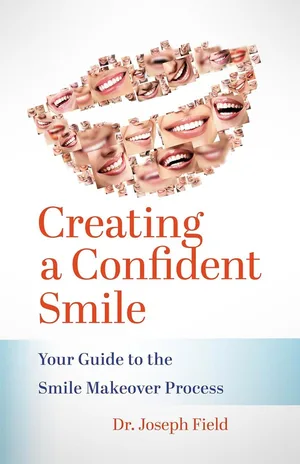

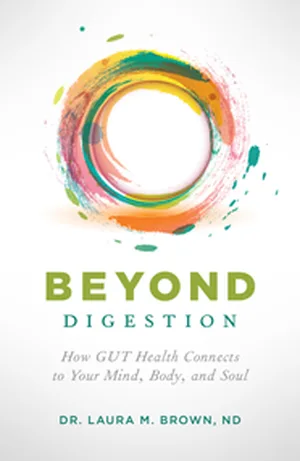

Dr. Field is a dentist; the other three are clinicians in other fields, shown because their books did the same work with patients and referrers. These are strong results from individual Scribe authors, not typical ones, and nobody can promise them.
Say you are a general dentist known for treating nervous patients. Your consultation questions become a short book. Chapter two becomes your "first visit" page and the guide patients pass to friends (ideas 2 and 3). Chapter five becomes your talk for a parents' group (13). Signed copies go to the pediatricians who refer to you (10). Each new patient is asked for a review the same way at checkout, with nothing offered in return (15, 16). Your privacy officer reviews every patient story in the book before it goes to print.
Choosing the treatment and the questions is the hard part; the topic guide walks through it. To map which of these ideas fit your practice, and who would hand your book to patients, use the practice worksheet. It runs in your browser and sends nothing unless you choose to.
Nothing on this page is legal, compliance or dental advice. It points to the ADA's, Google's, the FTC's and HHS's own words; your state dental board, your privacy officer and counsel decide what applies to your practice.