How to get consulting clients
Most consulting and coaching work comes from a short list of places: past clients and the people they tell, a narrow niche, talks, writing and partners who serve the same buyers. This guide shows how each one works, gives an independent consultant or small firm a 90-day plan, and explains how to turn your expertise into one thing buyers pass around, how to follow up without pushing, and what to count.
Where consulting clients actually come from
A buyer cannot test consulting or coaching before paying for it, so they lean on someone else's word or on something you made that shows how you think. Every reliable source of clients supplies one of the two.
| Source | Why it works | What it takes | First step |
|---|---|---|---|
| Past clients and referrals | The buyer hears about you from someone they trust who has seen your work | Staying in touch, and telling people plainly what you do now | List everyone who has seen your work in the last five years |
| A narrow niche | Buyers in one industry talk to each other, read the same things and attend the same events | Saying no to some work so you can be known for one kind | Sort past engagements by industry, fee and how much you enjoyed them |
| Talks | An hour on stage shows a room how you think, and organizers recommend speakers to each other | One talk, refined and given many times | Name three associations or conferences your buyers attend |
| Writing | Articles and a book reach buyers you have never met, and they can be forwarded | A steady schedule you can keep for a year | Write down the ten questions buyers ask in first calls |
| Partners | Accountants, attorneys, other consultants and associations already have your buyers' trust | Sending work back and making partners look good when they refer you | Name five professionals who serve your buyers but do not compete with you |
These sources feed each other: the niche picks the talks and partners, and writing gives partners something to forward. The guide on how a book wins clients explains why.
Marketing a coaching business: the same five sources apply. When clients pay personally, past-client referrals and talks to groups they belong to usually matter most. Coaching sold to companies works like consulting.
Nine consultants and coaches, and what brought the work
Each line names the source of work a Scribe author's story describes; the consultant and coach guide tells several in full.
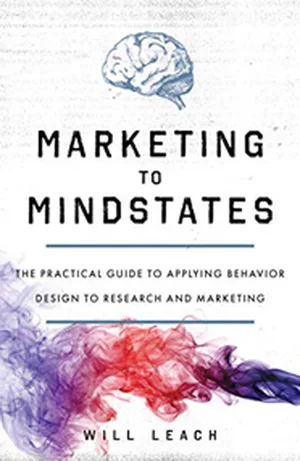
- Writing that kept going after the book. Will Leach published two articles a month built on Marketing to Mindstates. One on LinkedIn reached an Amazon researcher who invited him to work together, and his articles won him a keynote to more than 3,000 people (story).
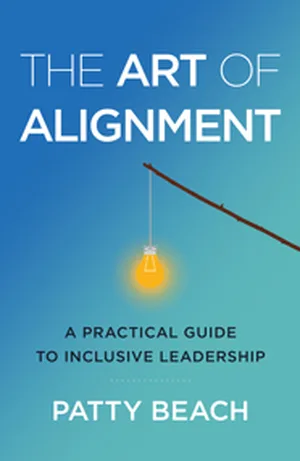
- Podcasts. Patty Beach was invited onto dozens of podcasts after The Art of Alignment. A business leader in South Africa heard one and bought copies for every leader in his company (story).
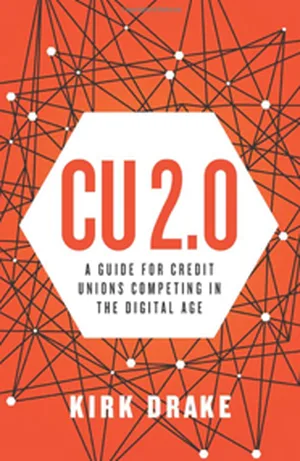
- A niche with a list. Kirk Drake wrote CU 2.0 for credit union leaders only and built an email list of credit union executives; less than a year after release he was working with twelve new credit unions (story).
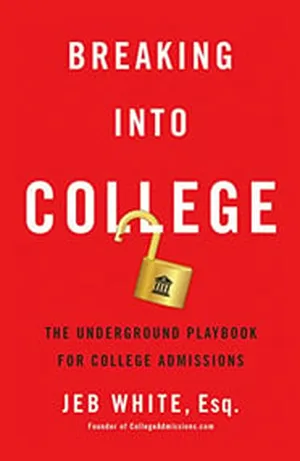
- Talks to the people buyers serve. Jeb White's book created thirty speaking opportunities for him, including talks at local high schools, where the students his business serves already were (story).
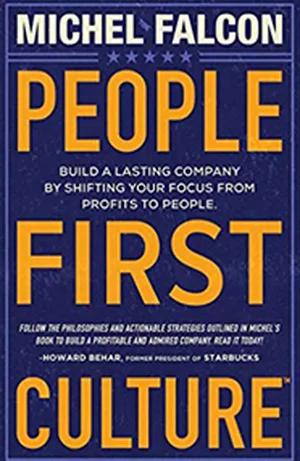
- A buyer who had already heard of him. Executives knew Michel Falcon before his book; the book helped him close a keynote at Subway's national convention, which included a signing of 400 books (story).
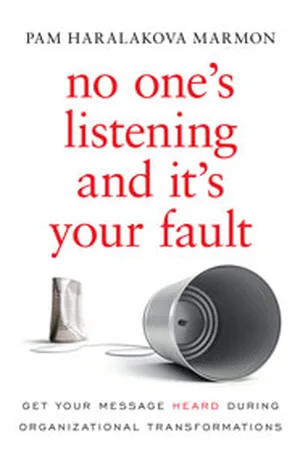
- A book that sat in a client's library. Pam Marmon met a Fortune 500 executive whose company kept No One's Listening and It's Your Fault as recommended reading in its leadership library (story).
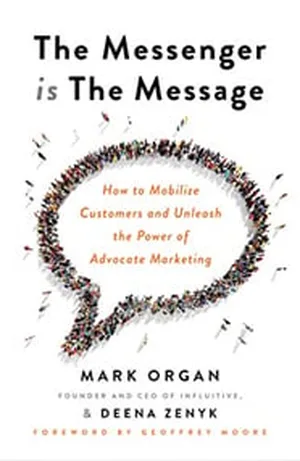
- Something to leave behind after a meeting. Mark Organ wanted that from The Messenger is the Message; his story says it sped up the sales cycle (story).
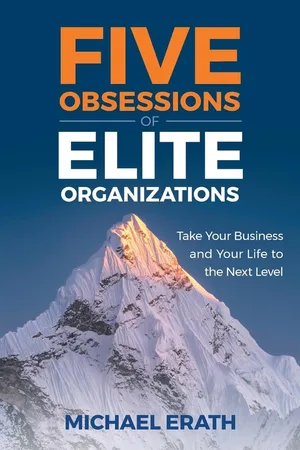
- Copies mailed to a target list. Michael Erath's firm mails copies of Five Obsessions of Elite Organizations to targeted prospects every month. In one discovery meeting, a CFO he had never spoken to already owned it (story).
- An audience that already followed him. Steve Mastroianni pre-sold new coaching programs to his existing audience after Hobby Boss came out, including one priced at $3,500 (story).
These are strong results from individual Scribe authors, not typical ones, and nobody can promise them. Most came after years of expertise and steady effort to put the book in front of buyers.
A 90-day plan for an independent consultant or small firm
Ninety days will not build a practice, but it is long enough to start every source above and see which ones answer. A small firm can give each source an owner.
Days 1 to 30: past clients, referrals and a niche
List everyone who has seen your work: former clients, employers and colleagues, and people you have helped for free. Choose one narrow kind of buyer, defined by industry and problem. Send each person a short, personal note naming that buyer and problem, and ask who they know facing it.
Days 31 to 60: one talk, steady writing and two partners
Pitch one talk, built around one question buyers ask, to an association or conference they attend. Publish a useful article every two weeks, each answering a question from a real first call. Meet two professionals who serve the same buyers and ask what their clients struggle with before you describe what you do.
Days 61 to 90: one asset, follow-up and a review
Turn your articles and talk into the first chapter of the asset described below and send it to everyone you met. Follow up on every open conversation. On day 90, count where each first call came from, and drop a source that produced nothing unless it only just started.
Say you are an independent consultant who spent fifteen years in hospital operations and now helps rural hospitals cut emergency department wait times. In the first month you write to 60 former colleagues and contacts, naming that problem. In the second you pitch a session to your state hospital association, publish four articles on the questions administrators asked you, and meet a healthcare attorney and a revenue cycle consultant who serve the same hospitals. In the third you turn the articles into a first chapter, send it to everyone and follow up. Day 90's tally decides where the next quarter's hours go.
To map the buyers, partners and first meetings for your own practice, use the practice worksheet. It runs in your browser and sends nothing unless you choose to.
Turn expertise into one asset buyers pass around
Consulting work is usually approved by more than one person, and the one who met you has to explain you to a boss, a board or a spouse. An asset that sets out your method does that explaining. Pam Marmon's story puts the result in one line: companies were hiring her book, not only her.
The strongest asset is a book: it gives a buyer hours with your thinking and gets passed around a leadership team. It also takes months, so start smaller:
Collect the questions
For a month, write down every question asked in first calls, proposals and talks. Group them. Those groups are your chapters. The topic guide shows how a list of questions becomes an outline.
Write the chapter that names your method
The one chapter a buyer would forward to a colleague is usually the one that explains your approach and why it differs. Write that one first and write it fully, with nothing held back.
Use the chapter for 90 days
Send it after first calls, attach it to proposals, offer it at the end of talks and give it to partners. Mark Organ wanted the freedom to give away PDF chapters for free to draw readers in, and that freedom shaped how he published.
Grow it into a book when it earns one
If people keep forwarding the chapter and asking for more, the full book can carry the whole method. The lead magnet examples show how a chapter, then the book, brings the right people forward, and using the book in your client process covers where it goes once it exists.
Keep client confidences out of whatever you write. Many consulting and coaching agreements include confidentiality terms; the time and confidentiality guide has a story-by-story checklist. Scribe's chapter on how much to give away in your book makes the case for teaching the whole method.
How to follow up without being pushy
Buyers rarely decide on the first call. Follow-up feels pushy when each message asks for something and gives nothing. Five rules keep it useful:
- Agree the next step before you hang up. "Shall I send the chapter on how we scope a project, and check in on the 14th?" Then the follow-up is a promise kept.
- Bring something every time. A chapter, an article or a short answer to a question they raised. If you have nothing useful to send, wait until you do.
- Write to the person who has to explain you. Make each message easy to forward to the colleague or board member who was not on the call.
- Record what each person received. Michael Erath's firm logs every mailed book in its CRM by name and company, so when a reader responds, the firm knows what they have already read.
- Ask once, then stop. After two or three useful messages with no reply, ask whether to close the file. If they say no or ask you to stop, stop.
Hi [name], you mentioned on our call that [their concern] is what worries your board most. The attached chapter is how I approach that with clients, including the trade-offs. If it is useful to share with [colleague], please do. I will check in on [date], as we agreed. [Your name]
What to track
A spreadsheet and the habit of asking are enough. Review these five every quarter.
| Measure | How to capture it | What it tells you |
|---|---|---|
| Where each first call came from | Ask "How did you hear about me?" on every first call and write down the answer | Which of the five sources is working for you |
| Whether they read anything first | Ask "Had you read anything of mine?" | Whether your writing, chapter or book is doing its job |
| Proposals sent, and won, by source | One row per proposal with its source | Which sources bring buyers who say yes, not only buyers who call |
| Referrals by person | One row per referral, named | Which past clients and partners to thank and stay close to |
| Talks, and calls after each | Note the first calls that follow each talk | Which rooms are worth returning to |
Give each source a fair run before judging it. One article can lead somewhere nobody planned: Will Leach's three-part Game of Thrones series put him on a conference stage, and that talk led to work with Merck. If a book is part of your plan, the guide for consultants and coaches covers naming your method, fees and corporate buyers in depth.