Marketing for engineering firms, within the NSPE code
Most engineering firms win work through relationships and qualifications: repeat clients, architects and contractors who bring them onto teams, and public owners who rank firms on competence before they discuss price. Good marketing makes your firm the obvious choice for the right project and follows the profession's rules on claims and credit. Here are 18 ideas built that way, for small and mid-size firms.
The rules that shape engineering marketing
The National Society of Professional Engineers' Code of Ethics for Engineers (revised July 2019) has several provisions that bear directly on how a firm describes itself and its work:
- II.5.a, qualifications and past work. "Engineers shall not falsify their qualifications or permit misrepresentation of their or their associates' qualifications. They shall not misrepresent or exaggerate their responsibility in or for the subject matter of prior assignments. Brochures or other presentations incident to the solicitation of employment shall not misrepresent pertinent facts concerning employers, employees, associates, joint venturers, or past accomplishments."
- II.5.b, gifts to win work. "They shall not offer any gift or other valuable consideration in order to secure work."
- III.3.a, statements. "Engineers shall avoid the use of statements containing a material misrepresentation of fact or omitting a material fact."
- III.3.c, articles. "Consistent with the foregoing, engineers may prepare articles for the lay or technical press, but such articles shall not imply credit to the author for work performed by others."
- III.4, confidentiality. "Engineers shall not disclose, without consent, confidential information concerning the business affairs or technical processes of any present or former client or employer, or public body on which they serve."
- III.6, competitors. "Engineers shall not attempt to obtain employment or advancement or professional engagements by untruthfully criticizing other engineers, or by other improper or questionable methods."
- III.9, credit. "Engineers shall give credit for engineering work to those to whom credit is due, and will recognize the proprietary interests of others."
The NSPE code applies to NSPE members, and your state licensing board may have rules of its own, so check those too.
Source: NSPE, Code of Ethics for Engineers (PDF, revised July 2019). Read November 2, 2026. Nothing on this page is legal advice or an ethics opinion.
How public owners choose a firm
Federal law sets the policy for architectural and engineering services: "to publicly announce all requirements for architectural and engineering services and to negotiate contracts for architectural and engineering services on the basis of demonstrated competence and qualification for the type of professional services required and at fair and reasonable prices."
The procedure that follows asks agencies to encourage firms to submit a statement of qualifications and performance data each year, evaluate the statements on file for each project, hold discussions with at least three firms, and rank the most highly qualified before negotiating a fee. Many states and cities follow a similar approach for their own projects.
For marketing, that means most public work is won before the fee is discussed: in your qualifications, your project record and the impression you make in the interview. Several of the ideas below are aimed squarely at that.
Sources: 40 U.S.C. 1101 and 40 U.S.C. 1103, via Cornell Legal Information Institute. Read November 2, 2026.
Focus
1. Name the projects you want more of
"Water and wastewater for small towns," "structural work on older buildings," "site design for medical campuses." A firm known for one kind of project is easier to recommend and easier to short-list than one that does "civil, structural and MEP."
2. Write down the questions owners ask first
What drives cost, what has to be decided early, how long permits and approvals take, what usually goes wrong. These become your website pages, talks and, later, book chapters. The topic guide turns them into an outline.
3. Make your website answer them
A page for each question, in plain words, and the projects that match your focus. A facilities director or town engineer should know within one screen what kind of work you want.
Qualifications that win short lists
4. Keep your qualifications current and on file
The federal procedure invites firms to submit a statement of qualifications and performance data every year. Keep yours updated for each agency you want to work with, so it is ready the day a project is announced.
5. One project sheet per project, with your exact role
For each project, state your firm's role (prime, subconsultant, structural only, peer review), name the other firms and name the engineers responsible. Under II.5.a and III.9, your responsibility on past work has to be described accurately and credit given where it is due. If the work was done at a previous firm, say so.
6. Résumés that match the project
Rewrite key staff résumés for each pursuit so the projects most like this one come first, and lead with the people who will actually do the work.
7. Prepare for the interview like a design review
Once you are short-listed, the interview is where you stand apart. Bring the people who will do the work, talk about this project's risks rather than your firm's history, and rehearse answers to the hard questions out loud.
Teaming partners and clients
8. List who brings you onto teams
Architects, general contractors, construction managers, developers and other engineering disciplines. For each, write down which of their projects need what you do.
9. Tell each one exactly what to call you for
"Call us when a renovation turns up a structural surprise" gives an architect something to remember. "Full-service engineering" does not.
10. Make partners look good on shared work
Name the architect, contractor and other consultants when you show a project, and say what each did. It is what III.9 asks for, and partners you credit tend to bring you back.
11. Stay close to past clients
A note on the anniversary of a finished project, a short memo when a code or funding program changes something they care about, and a check-in before their capital plan is set keep you the firm they call first.
Teaching in public
12. Lunch sessions for the people who hire you
For facility managers, town administrators or architects: what makes an existing building expensive to change, how to read a geotechnical report, what to ask before a site is bought. They leave knowing more and knowing who to call.
13. Talks at the associations your clients attend
Municipal leagues, school business officials, hospital facilities groups, developer associations. One question answered well with real projects, cleared with the clients involved.
14. Write where your clients read
Trade magazines in your clients' industries, association newsletters, local business journals. Under III.3.c, an article must not imply credit to the author for work performed by others, so name your team.
15. Share lessons, not client secrets
A good case study explains a problem and how it was solved. Under III.4, confidential business or technical information about a client needs their consent, so ask before you publish details.
A book as the anchor
16. Write the first meeting down in full
A book for the owner from idea 1 answers the questions from idea 2: what to know before a project like theirs starts, what drives cost and schedule, and where projects go wrong. A reader arrives at the first meeting understanding how your firm works.
17. Send it to the right people
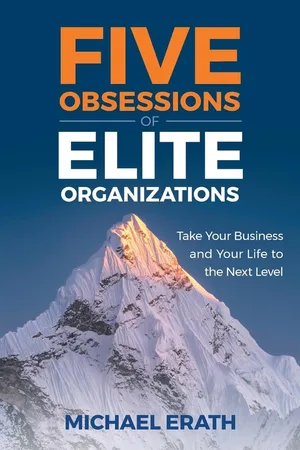
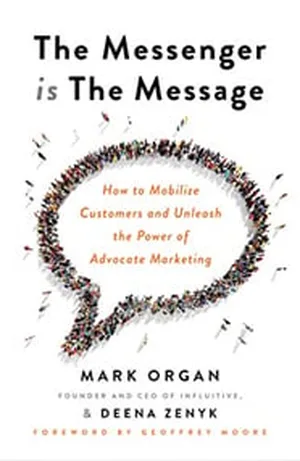
Michael Erath mails 75 to 100 copies of his book to targeted prospects every month. Mark Organ's book drove $400K in new client revenue (stories below). Neither is an engineer, so read them for method; they are individual results, not typical ones. Keep II.5.b in mind: a book that explains your expertise is a different thing from a gift offered to secure a specific contract, and public agencies often have their own gift rules.
18. Hand it to your teaming partners
A copy for each partner from idea 8 explains your approach when you are not in the room. Plan who gets it, and when, with the practice worksheet.
For how a book fits a professional practice in more depth, read how a book wins clients and using the book in your client process. Architects face many of the same questions; see marketing for architects.
Author results from Scribe Media success stories, linked on each one. They are individual results, not typical ones.